Turnkey Construction & Renovation: Complete Guide to Stress-Free Building Projects

Turnkey Construction & Renovation: The Complete Guide to Building and Remodeling Without the Stress
Introduction
Construction and renovation projects often involve dozens of moving parts—from architectural planning and permits to budgeting, scheduling, procurement, inspections, and final finishing work. Managing each of these stages independently can become overwhelming, especially for homeowners and business owners with limited construction experience.
That is why turnkey construction and renovation has become one of the fastest-growing project delivery methods worldwide.
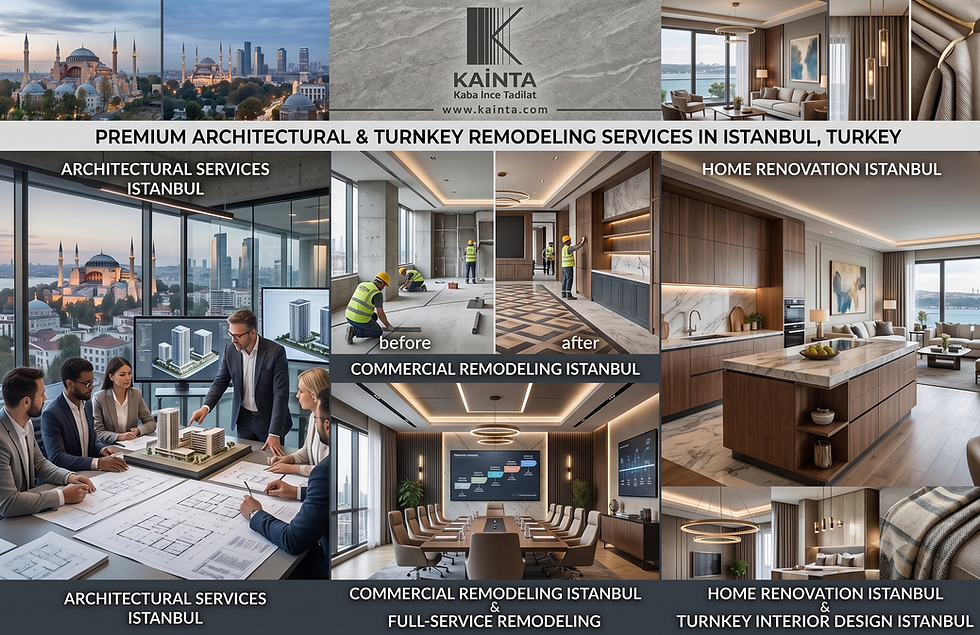
A turnkey solution places every phase of the project under one experienced contractor who manages planning, design coordination, procurement, construction, quality control, and final delivery. Instead of coordinating multiple vendors, clients receive a completed project that is ready for immediate occupancy or operation.
This comprehensive guide explains everything you need to know about turnkey construction, including how it works, the benefits, common project types, budgeting, timelines, contractor selection, common mistakes, industry trends, and expert recommendations.

What Is Turnkey Construction?
Turnkey construction is a project delivery method where one company assumes complete responsibility for planning, coordinating, constructing, and delivering a finished building or renovated space.
The client simply provides project goals and approves major milestones while the contractor manages every operational aspect.
Typical turnkey services include:
Initial consultation
Site evaluation
Architectural coordination
Interior design
Engineering
Permit management
Material procurement
Construction
Electrical installation
Plumbing
HVAC
Flooring
Painting
Cabinetry
Fixtures
Quality inspections
Final cleaning
Project handover
The result is a property that is essentially "ready to turn the key."
Benefits of Turnkey Renovation
Single Point of Responsibility
Instead of managing multiple contractors, suppliers, designers, and inspectors, one company handles everything.
Benefits include:
Better communication
Faster decisions
Fewer delays
Clear accountability
Better Budget Control
Since one contractor oversees the entire project, cost forecasting becomes significantly more accurate.
Advantages include:
Fixed pricing options
Reduced change orders
Better supplier pricing
Fewer unexpected expenses
H3 Faster Project Completion
Integrated scheduling allows construction teams to coordinate trades efficiently.
Typical efficiencies include:
Simultaneous planning
Faster procurement
Reduced downtime
Streamlined inspections
H2 Turnkey Construction vs Traditional Construction
Feature | Turnkey | Traditional |
One Contractor | ✓ | ✗ |
Simplified Communication | ✓ | ✗ |
Faster Delivery | ✓ | Sometimes |
Cost Predictability | High | Medium |
Client Workload | Low | High |
Design Coordination | Included | Separate |
H2 Services Included in a Turnkey Project
A comprehensive turnkey contractor typically provides:
Design
Space planning
Architectural drawings
Interior design
Structural planning
Project Management
Scheduling
Vendor coordination
Budget tracking
Risk management
Construction
Demolition
Framing
Roofing
Concrete work
Masonry
Drywall
Mechanical Systems
Plumbing
HVAC
Electrical
Smart home integration
Interior Finishes
Flooring
Painting
Cabinetry
Countertops
Lighting
Doors
Trim
H2 Residential Turnkey Construction
Residential services commonly include:
Custom homes
Home additions
Basement finishing
Kitchen remodeling
Bathroom renovations
Whole-home renovations
Garage conversions
H2 Commercial Turnkey Renovation
Commercial projects often involve:
Office renovations
Retail fit-outs
Restaurants
Medical clinics
Warehouses
Industrial buildings
Hospitality projects
H2 The Complete Turnkey Process
Step 1 Consultation
Discuss goals, budget, schedule, and property requirements.
Step 2 Site Assessment
Evaluate existing conditions and identify potential challenges.
Step 3 Design Development
Prepare layouts, plans, and material selections.
Step 4 Budget Approval
Provide transparent pricing and finalize project scope.
Step 5 Permits
Obtain required municipal approvals.
Step 6 Construction
Execute all building phases with coordinated trades.
Step 7 Quality Control
Inspect workmanship throughout construction.
Step 8 Final Handover
Deliver a completed, cleaned, and inspected property.
H2 How Much Does Turnkey Construction Cost?
Costs depend on:
Property size
Design complexity
Material selections
Labour market
Structural modifications
Mechanical upgrades
Location
Permit requirements
Rather than focusing only on initial price, clients should evaluate total project value, lifecycle costs, workmanship quality, warranty coverage, and long-term maintenance.
H2 How to Choose the Right Turnkey Contractor
Consider:
Experience
Licensing
Insurance
Portfolio
Client reviews
Project management process
Warranty
Communication
Transparent contracts
Safety standards
Ask questions such as:
Who manages the project?
What is included?
How are changes handled?
What warranties are offered?
What is the estimated timeline?
H2 Common Mistakes to Avoid
Choosing based only on price
Skipping references
Ignoring contracts
Making late design changes
Poor communication
Unrealistic budgets
Not planning contingencies
H2 Construction Trends
Modern turnkey projects increasingly include:
Sustainable building materials
Smart home automation
Energy-efficient HVAC systems
Net-zero design principles
Prefabricated components
Building Information Modeling (BIM)
AI-assisted project management
Low-maintenance finishes
EV charging infrastructure
H2 Frequently Asked Questions
Is turnkey construction more expensive?
Not necessarily. While upfront pricing may appear higher, integrated project management often reduces delays, rework, and coordination costs.
Who owns the permits?
Permit ownership depends on local regulations and contractual agreements, though the contractor typically manages the application process.
Can I choose my own materials?
Yes. Most turnkey contractors allow clients to select finishes, fixtures, and materials within the agreed budget.
How long does a turnkey renovation take?
Timelines vary based on project size, permitting, and complexity. A detailed schedule should be established during project planning.
Conclusion
Turnkey construction and renovation simplifies one of the most complex investments people make. By consolidating design, planning, construction, procurement, and project management under one experienced team, clients benefit from streamlined communication, greater budget control, improved quality assurance, and a smoother overall experience.
Whether you're renovating a home, building a custom residence, or transforming a commercial space, choosing an experienced turnkey contractor can reduce stress while helping deliver a finished project that aligns with your goals, timeline, and budget.
Suggested Internal Links
Home
About Us
Residential Construction
Commercial Construction
Renovation Services
Custom Home Building
Kitchen Renovation
Bathroom Renovation
Project Gallery
Contact Us
Suggested External Links
National Association of Home Builders
U.S. Green Building Council
International Code Council
Occupational Safety and Health Administration
ENERGY STAR
Suggested Image Alt Text
Turnkey construction project management
Modern turnkey home renovation
Commercial turnkey construction site
Design build construction process
Kitchen renovation before and after
Luxury custom home construction
Residential remodeling contractor
Commercial office renovation
Call to Action
Ready to transform your property with a seamless turnkey construction or renovation experience? Contact our team today to schedule a consultation. We'll help you plan, design, and deliver a project tailored to your vision, budget, and timeline—with a single point of responsibility from concept to completion.


Comments